

Cleaning a coffee maker shouldn’t fill your kitchen with that sharp vinegar smell, and that’s why I started looking for how to clean your coffee maker without vinegar in the first place. I learned fast that there are simple, natural ways to keep your machine fresh without the harsh scent. Over the years, I’ve tried baking soda, lemon, and other gentle methods that worked better for me than vinegar ever did.
In this guide, I’ll show you the easy steps I use at home so you can get a clean, great‑tasting brew every day. Let’s dive in and pick the method that fits your style best.
Why Skip Vinegar? Common Reasons People Look for Alternatives
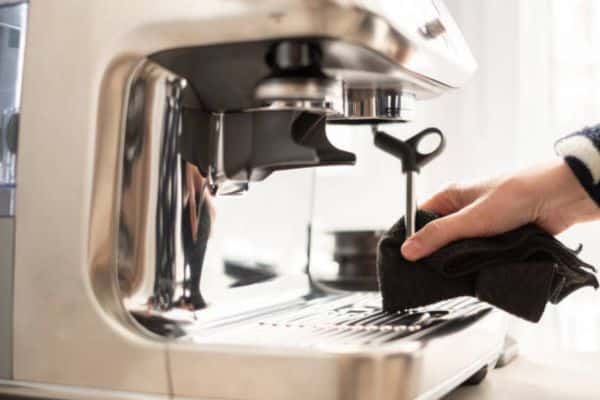
Let’s be honest—vinegar just isn’t for everyone. While it’s cheap and effective, the overpowering smell can linger in your kitchen and your next few brews. I remember cleaning with vinegar once and regretting it every time I took a sip for days.
Some folks also have allergies or sensitive skin, and vinegar can irritate their senses. Others worry about vinegar’s long-term effects on rubber seals and plastic parts in coffee makers, especially older models. That’s why I started exploring natural coffee maker cleaning methods that don’t involve vinegar—and trust me, there are plenty of gentle, effective alternatives that don’t stink up your house.
Method 1 – Clean Coffee Maker with Baking Soda (My Go-To Option)
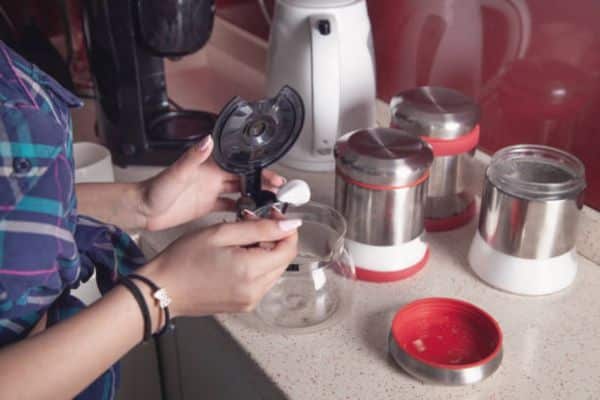
Step-by-Step Instructions
This is my favorite method because it’s easy, affordable, and gentle on your machine.
- Add ¼ cup of baking soda to the coffee maker’s water reservoir.
- Fill the rest of the reservoir with warm water.
- Run a full brew cycle as if you’re making coffee.
- Once done, run two rinse cycles with plain water to clear out any residue.
Why This Works
Baking soda is a natural deodorizer and a mild abrasive, which means it scrubs without scratching. I’ve used this method for years, especially after a few weeks of heavy brewing, and it always leaves my machine fresh and ready. It works great for removing odors and light mineral buildup—plus, no weird aftertaste!
Method 2 – Lemon Juice as a Natural Cleaner
How to Use It
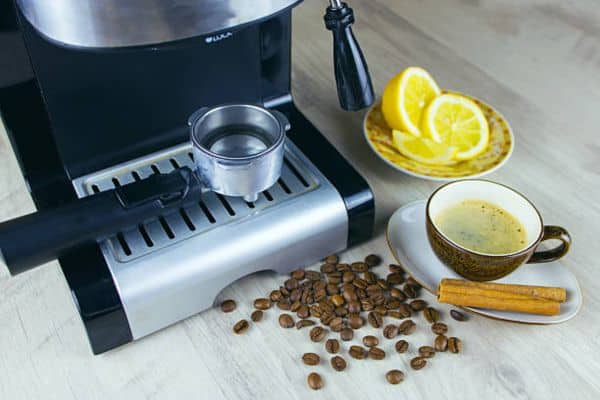
Lemon is another great natural cleaning tool. Here’s how to use it:
- Mix equal parts lemon juice and water (about 1 cup each).
- Pour the mixture into your coffee maker’s reservoir.
- Run a full brew cycle.
- Rinse twice with clean water.
Pros and Cons
Pros:
- Leaves a fresh citrus scent (much better than vinegar).
- Effective at breaking down light limescale and coffee stains.
Cons:
- Might need an extra rinse to clear out the lemon flavor.
- Requires more lemons if you’re cleaning regularly.
I often use lemon after guests visit or when I want my kitchen smelling clean and bright.
Method 3 – Hydrogen Peroxide for Deep Cleaning
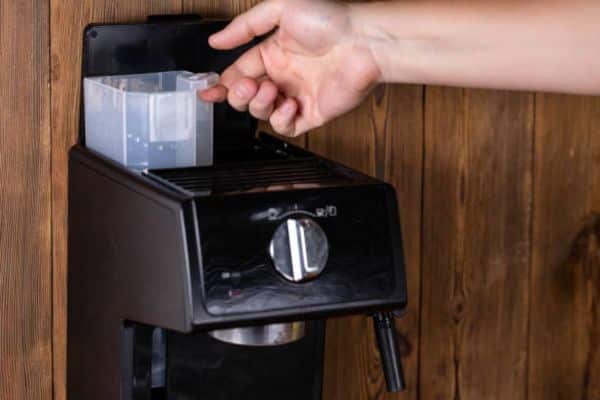
If you’ve never tried hydrogen peroxide to clean your coffee maker, you’re in for a surprise. I first heard about this from an old neighbor who swore by it—and he was a retired chemist, so I figured he knew what he was doing. And honestly? He was right.
Safety Warning
Use only 3% food-grade hydrogen peroxide—the kind you’d find at a pharmacy. Never use industrial-strength versions. It’s safe when used properly, but always rinse thoroughly. This stuff is powerful and gets into every nook and cranny. Looking for the best non-toxic coffee maker to keep your brew clean and safe?
Application Guide
Here’s how I do it:
- Mix 1 cup of hydrogen peroxide with 2 cups of water.
- Pour it into your reservoir.
- Run a full brew cycle (no coffee, of course).
- Then run two full rinse cycles with plain water.
It’s super effective at removing bacteria, mold, and hidden gunk, especially if you’ve neglected cleaning for a while. I use this method once every few months—especially after cold season or heavy use.
How to Descale a Coffee Maker Without Vinegar

Descaling sounds like a fancy term, but it just means getting rid of mineral deposits (that chalky white stuff) inside your machine. If you’ve got hard water at home like I do, this becomes a regular chore.
Baking Soda or Citric Acid?
Here’s the truth: baking soda is great for cleaning, but it doesn’t dissolve mineral buildup as well as citric acid. Citric acid is what gives lemons their tart punch—it’s mildly acidic but tough on limescale.
I buy a bag of food-grade citric acid online (super cheap). One tablespoon in a full tank of water does the trick.
My Routine
Personally, I do a baking soda clean every month, and then a citric acid descale every 3–4 months. It keeps my machine in top shape, and my coffee tasting rich and smooth—no weird aftertaste or slow drips.
How to Remove Mineral Buildup Naturally
You’ll know your machine needs this if it starts brewing slowly, your coffee tastes off, or you see white crusty deposits inside the reservoir.
Signs Your Coffee Maker Needs Cleaning
- Takes longer than usual to brew
- Coffee tastes sour, bitter, or flat
- You notice flaky white residue inside the tank
Remedies That Work
Here’s what I’ve personally tried:
- Baking soda soak overnight: great for mild buildup
- Citric acid tablets: fast, effective, and mess-free
- Lemon slices soaked in warm water overnight: old-school, but surprisingly effective
I even let my coffee maker rest with lemon water once while I went grocery shopping. Came back, ran a rinse cycle, and the tank sparkled.
Maintenance Tips to Keep It Clean Longer
The best cleaning method? Preventative care.
Here’s my quick checklist:
- Use filtered water if you can—it reduces buildup
- After brewing, empty the water reservoir and leave the lid open to air dry
- Clean monthly with baking soda or lemon to keep your machine fresh
- Descale every 3 months if you use tap water
Final Thoughts
At the end of the day, your coffee only tastes as good as the machine making it. And if you’re like me—someone who craves that first warm cup in the morning—you don’t want it tainted by leftover grime or vinegar smell. That’s why I’ve stuck to these non-vinegar methods for years.
From baking soda soaks to citrus rinses, there’s no shortage of gentle, natural ways to keep your machine fresh. My go-to? Baking soda. It’s easy, cheap, and does the job without drama. But hey, every method on this list works great—it just depends on your preference and how dirty your machine is.
