
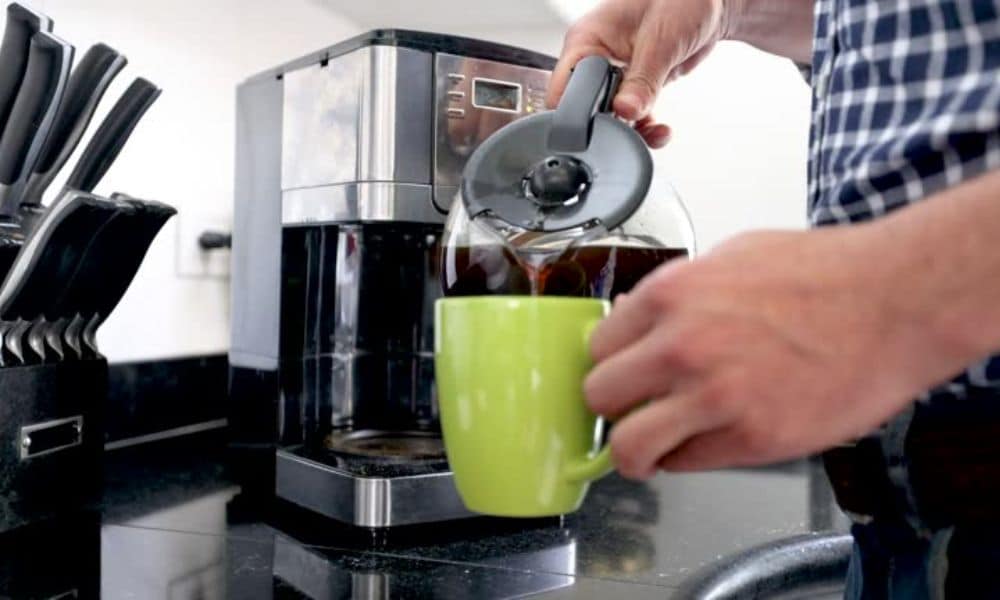
There’s nothing like waking up to the smell of freshly brewed coffee. When I first learned how to brew coffee in a Cuisinart coffee maker, I realized it’s not just about pushing a button—it’s about small steps that make a big difference. With a few easy tweaks and the right setup, anyone can turn a regular brew into a café-quality cup at home. In this guide, I’ll share my simple process, from setup to flavor-boosting tricks, so you can make every cup taste rich, smooth, and perfectly balanced.
My First Brew with a Cuisinart Coffee Maker
My first time using a Cuisinart coffee maker was a game-changer. I’d used basic drip machines before, but this one brewed smoother, richer coffee with almost no effort. If you’re curious how to use a Cuisinart drip coffee maker, it’s simple—add water, coffee, press brew, and let it work its magic. What I love most is how beginner-friendly it is; everything feels intuitive, from setup to cleanup. Compared to standard machines, it offers more control without any fuss—perfect for anyone who wants a café-quality cup right at home.
Step-By-Step Guide – How To Brew Coffee In Your Cuisinart Coffee Maker
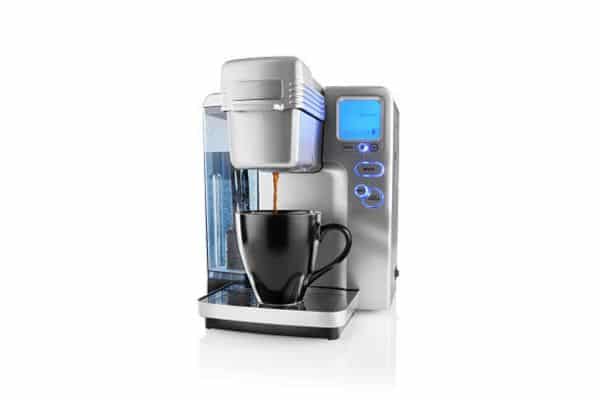
Step 1 – Unbox and Set Up Your Machine
Setting up your Cuisinart coffee maker is simple, even if you’re new to brewing. Start by unboxing and washing all removable parts—like the carafe, filter basket, and water reservoir—to remove any factory residue. Plug it in, fill the tank with clean water, and run a full cycle without coffee grounds. This quick “test brew” cleans the system before your first cup. For the best taste, always use filtered water—it brings out the coffee’s natural sweetness and keeps your machine running smoothly. Before you start brewing, make sure your machine and materials are safe to use. If you care about long-term health and quality, you might also like my guide on Best Non-Toxic Coffee Makers for Daily Use
Step 2 – Measure the Coffee and Water Properly
Getting the right balance between coffee and water is what separates an average cup from a perfect one. My go-to rule is one level tablespoon of medium-ground coffee per six ounces of water—the best coffee ratio for a Cuisinart coffee maker. For a stronger brew, I nudge it up slightly but never go over two tablespoons per cup. Once you find your “golden ratio,” note it down—you’ll get consistent flavor every time without bitterness or weak spots.
Step 3 – Choose Brew Strength and Start Brewing
This is where the fun begins. If your model has a “Bold” button, pressing it slows the brewing process, allowing more time for water to extract flavor from the grounds. When I need an energy boost, that’s my go-to setting. If you prefer something lighter, stick with the regular brew option. The Cuisinart coffee maker makes it easy to experiment until you find your ideal strength—it’s like having your own mini café at home.
Step 4 – Wait, Pour, and Enjoy the Perfect Cup
The average brew takes about five to seven minutes, depending on the size of your pot. Resist the urge to pour early; patience lets the flavors bloom fully. Once it’s done, swirl the carafe before pouring to mix the layers evenly. Follow the Cuisinart coffee maker brewing instructions and give your machine a quick rinse—especially the filter basket—to keep future cups tasting fresh. My trick? Rinse with hot water right after each use; it prevents oil buildup and keeps every brew as clean and flavorful as the first.
Common Brewing Mistakes (And How I Fixed Them)
We’ve all made coffee that looked perfect but tasted… off. When I first noticed my Cuisinart coffee maker brewing weak or bitter coffee, I realized the problem wasn’t the machine—it was me. One big mistake was using too fine a grind. It caused over-extraction, which made my coffee taste harsh instead of smooth. The quick fix? A medium grind—just coarse enough to let water flow evenly and extract flavor, not bitterness.
Another common issue is skipping filter cleaning. Old oils cling to the mesh and ruin the taste over time. I now rinse mine after every use and deep-clean weekly—it keeps the flavor fresh and balanced.
And here’s a sneaky one: leaving old grounds in the basket. It might not seem like a big deal, but stale residue makes the next brew taste weak or sour. If you’ve ever wondered why your Cuisinart coffee maker tastes weak, start by checking your filter and grind. Small habits like these make a huge difference in every cup.
My Top Flavor Tips for Better Coffee Every Morning
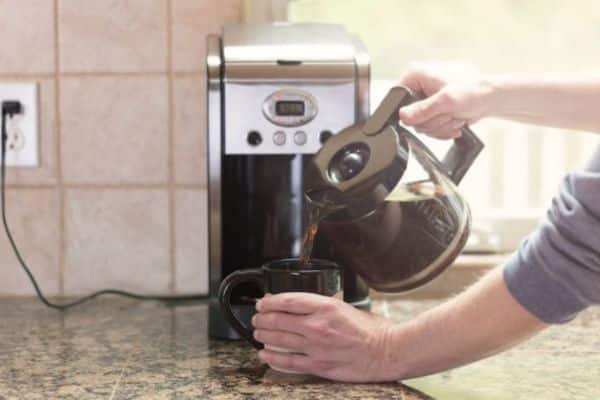
Nothing beats waking up to a rich, full-bodied cup of coffee that smells like a café. Over time, I’ve learned a few simple Cuisinart coffee maker tips for better flavor that anyone can follow—no fancy barista skills required.
First, always grind your beans fresh and brew within 15 minutes. Coffee starts losing its aroma and oils the moment it’s ground, and that freshness window makes all the difference between “good” and “wow.”
Second, clean your basket weekly using a mix of vinegar and baking soda. It clears away oil residue that dulls the flavor and keeps your next cup tasting bright and clean.
Finally, switch to a reusable gold-tone filter if you can. It allows more natural oils to pass through, giving your coffee a deeper, richer body. It’s one of those small upgrades that turns an ordinary brew into something you actually look forward to every morning.
Troubleshooting Guide (Quick Fixes You Can Try Right Now)
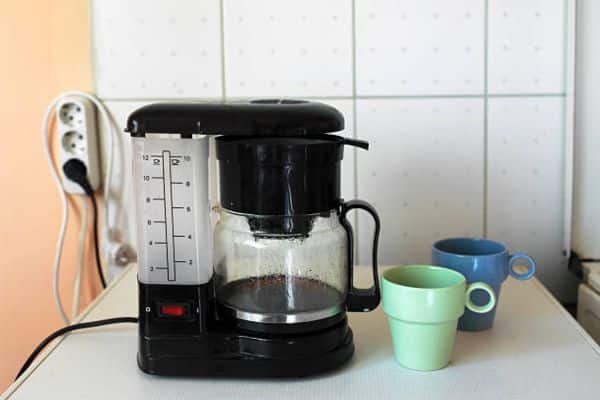
Even the best machines act up sometimes—but don’t worry, most Cuisinart issues are quick fixes. If your coffee maker isn’t brewing, start by checking the basics: make sure it’s plugged in, the lid is closed tightly, and the basket is seated properly. A loose lid or clogged valve can stop the brew cycle before it begins. Running a quick rinse cycle with plain water often clears minor blockages too.
If your coffee tastes too weak or too bitter, the solution usually lies in the ratio. Weak coffee? Add a little more ground coffee or choose the Bold setting. Bitter taste? Try a coarser grind and slightly less coffee. Finding that sweet spot between strength and smoothness takes just a few adjustments.
And if you notice water overflowing, you’re likely using too many grounds or filling the tank past its max line. Stick to medium grinds, measure carefully, and make sure the filter basket isn’t blocked. These small tweaks can save your morning—and your countertop—from messy surprises.
Final Thoughts
After years of brewing at home, I still reach for my Cuisinart coffee maker every morning—and that says a lot. It’s reliable, simple enough for beginners, yet flexible enough for coffee lovers who like to experiment. You don’t need to be a barista to get café-level flavor; just follow the right steps and pay attention to your grind, water, and ratio.
If you’re looking for a model that balances ease and performance, I personally love the Cuisinart DCC-3200. It’s durable, programmable, and lets you control brew strength effortlessly—a perfect fit for daily use.
FAQs
What grind works best for a Cuisinart coffee maker?
Use a medium grind — it gives the best balance of flavor and flow. Fine grinds can make coffee bitter, while coarse ones can leave it weak and watery.
Can I use paper filters instead of the gold-tone one?
Yes, you can. Paper filters produce a cleaner cup with less oil, while the gold-tone filter gives a fuller, richer taste. Choose based on how you like your coffee’s body and flavor.
How can I make my Cuisinart coffee taste stronger?
Use the “Bold” setting if your model has it, or simply add a bit more coffee to the ratio. Fresh beans and proper water temperature make a big difference in achieving that rich, full-bodied taste.
