
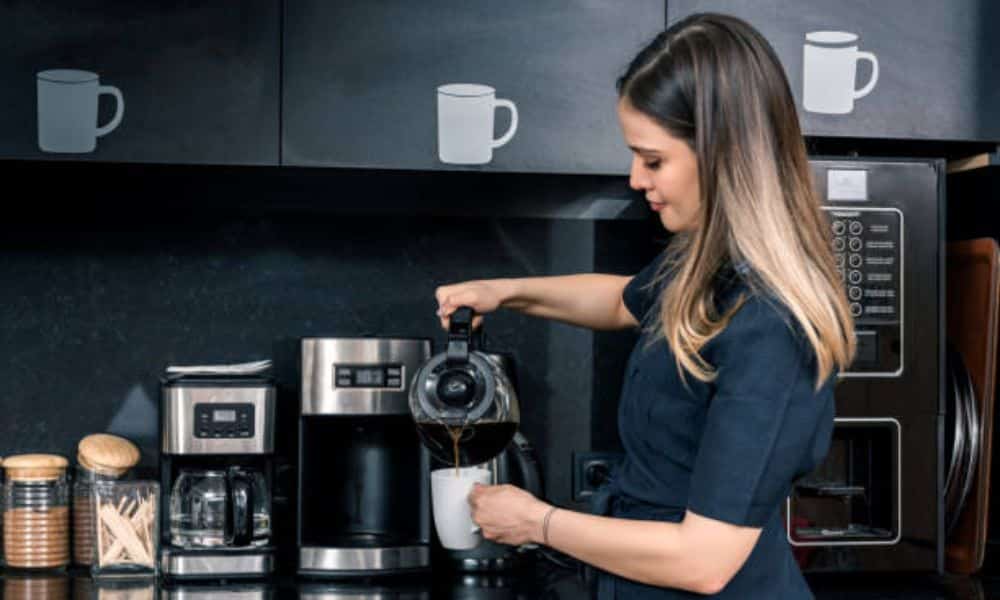
My first time learning how to operate a Black and Decker coffee maker, I felt like I was staring at a tiny spaceship. So many buttons for something that should just make coffee! But once I figured out the simple steps, the whole thing became easy, and I even stopped checking the Black and Decker coffee maker instructions every morning.
In this guide, I’ll walk you through the setup, show you how to use a Black and Decker drip coffee maker, share my own tricks for better flavor, and help you fix any small issues that pop up. Stick with me, and you’ll brew your first cup like a pro.
Unboxing and Setup Guide for Your Black and Decker Coffee Maker
What’s in the Box?
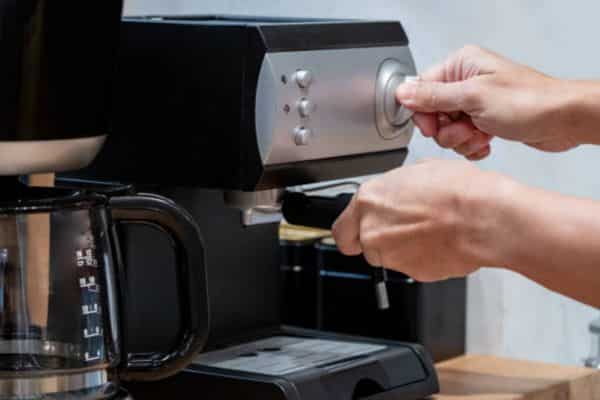
When I first opened the box, I’ll be honest—I thought I was missing something. Turns out, Black and Decker keeps it simple (thankfully). Inside, you’ll usually find the carafe (that’s your coffee pot), a removable filter basket, and the water reservoir already built in. Some models also include a starter pack of paper filters, which I appreciated.
My tip? Double-check there’s no protective film over the hot plate or display screen before you plug it in (yes, I almost brewed my first cup with plastic still on).
Step-by-Step Setup Instructions
I’ll never forget my first try. I plugged it in, hit “Brew”… and nothing happened. Why? I forgot to add water. Don’t be like me.
Here’s the basic setup I follow now—super easy once you do it once:
- Plug it in and make sure the clock shows up (some models need this for auto-brew).
- Lift the lid and pour fresh, cold water into the reservoir up to your desired cup level.
- Insert a filter into the filter basket. I personally use a reusable mesh filter—less waste, same taste.
- Scoop your coffee grounds into the filter. I like a medium grind (think sea salt texture) for the smoothest flavor.
- Close the lid, place the carafe on the warming plate, and press “Brew.” That’s it.
It may sound obvious now, but following the Black and Decker coffee maker instructions made all the difference. I even bookmarked the user manual PDF on my phone—just in case I forget how to program it when I’m half asleep.
How to Brew Coffee Like a Pro
Quick Brew Mode (Basic Operation)
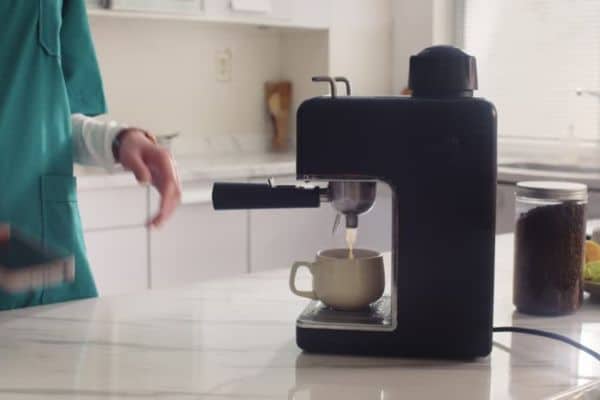
I still remember the first time I figured out the brew strength button—it felt like leveling up in the coffee world. When you’re in a rush and just need caffeine fast, the Quick Brew mode is your best friend.
Here’s what I do:
- Press the Power Button to turn the machine on.
- Select “Brew Strength” if your model has it—“Strong” gives a bolder flavor.
- Place your carafe correctly on the warming plate (or it won’t start).
- Hit Brew, and let it work its magic. The hot plate auto shut-off usually kicks in after 2 hours, so no worries if you forget.
It’s a simple process, but surprisingly customizable if you play with strength and grind. Once I stopped using stale pre-ground coffee, even this basic mode started tasting amazing.
Programming the Coffee Maker (Delay Brew)
Nothing beats waking up to fresh coffee. I used to think programming a machine was techy and annoying, but learning how to program a Black and Decker coffee maker turned my mornings around.
Here’s my go-to setup the night before:
- Set the Clock: Hold the “HR” and “MIN” buttons to set the current time.
- Load it Up: Add water and coffee like normal.
- Press “Prog”: Hold it, then set the brew time you want.
- Hit “Auto” to activate Delay Brew—you’ll see a tiny light confirm it’s scheduled.
Now, I don’t even have to think in the morning. The smell wakes me up before the alarm.
Brewing My Favorite Cup
After weeks of experimenting, I found my sweet spot: 2 tablespoons of medium-coarse grind per 6 ounces of water. It’s bold, but not bitter. I use filtered water and always clean the carafe the night before—it actually makes a difference.
Want a fun twist? For iced coffee, I brew it double strength and pour it directly over ice in a thermal cup. Works surprisingly well and doesn’t taste watered down.
Once you know how to brew coffee in a Black and Decker machine, you’ll never settle for boring gas station coffee again. Trust me.
Cleaning and Maintenance (Don’t Skip This!)
Daily Cleaning Routine
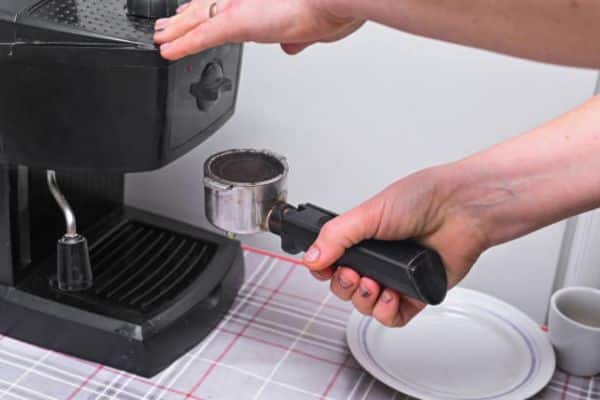
I used to think rinsing was enough—until my coffee started tasting weird. Trust me, a quick daily clean makes a big difference. After every brew, I empty the filter basket, toss the grounds, and give the basket and carafe a good rinse with warm soapy water.
Once in a while, I’ll use a soft sponge on the carafe to get rid of those coffee oil stains. And don’t forget the lid and spout—that’s where residue builds up fast.
Not cleaning daily? That old coffee taste starts to creep in fast. I learned the hard way.
Monthly Deep Clean + Descaling Tips
Even if you’re consistent with rinsing, hard water and oil buildup still sneak in over time. Once a month, I deep clean my Black and Decker coffee maker to keep it running like new. It takes less than 30 minutes.
Here’s my go-to descaling method:
- Fill the reservoir halfway with white vinegar, then top it off with water.
- Run a brew cycle without any coffee grounds.
- Let the hot vinegar mix sit for 15 minutes, then run two clean water cycles to rinse it out.
- If you hate the vinegar smell, citric acid tablets work great too.
This monthly reset improves flavor and extends the life of your machine. After I started doing this, I stopped having issues with clogs and off-tasting coffee.
Troubleshooting Common Problems
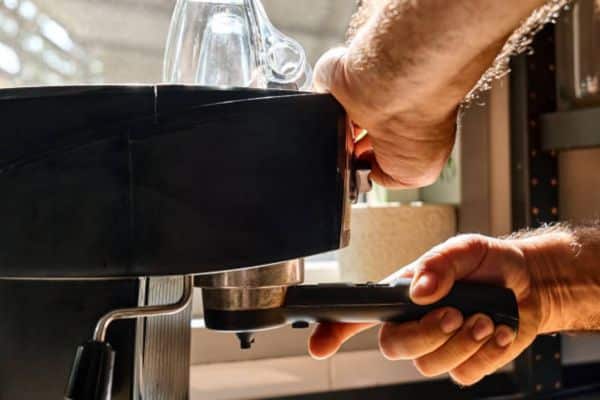
Coffee Maker Not Brewing?
This one drove me nuts at first. I’d press Brew, wait, and… nothing. Turns out, it’s usually one of three things:
- The lid isn’t fully closed. If it’s even slightly open, the machine won’t start.
- The filter basket is clogged—especially if you’re using fine grounds.
- The outlet isn’t delivering power or the cord is loose.
I now always double-check the lid and use a coarser grind.
One time, I spent 15 minutes blaming the machine—only to realize I never plugged it in.
Leaks or Overflow?
Waking up to coffee all over the counter? Been there. In my case, I filled past the max line and used a paper filter that folded over mid-brew. Total mess.
Here’s what I do now:
- Always check the water reservoir is filled below the Max Fill line.
- Make sure the filter is seated properly, and never overfill it with grounds.
- Use the right size carafe and never remove it while brewing.
Since I started paying attention to this, my counters have stayed clean—and my mornings way less chaotic. If you’re also looking for a healthier brewing option, check out our guide on the best non toxic coffee maker to find models made without harmful plastics or coatings.
Strange Taste or Odor?
If your coffee tastes like plastic or smells off, don’t panic—it’s super common with new machines or ones that haven’t been cleaned in a while.
Here’s how I fixed mine:
- Ran 3 vinegar-water cycles to flush out that new plastic smell.
- Cleaned the carafe lid and spout, where oils build up.
- Switched to filtered water, which reduced that odd metallic tang.
Ever since I started regular maintenance, my coffee’s tasted smoother and fresher—no more mystery flavors.
FAQs
How do I use my Black and Decker coffee maker for the first time?
Rinse all parts, fill the reservoir with water, add a filter and coffee grounds, place the carafe, and press Brew to start.
Can I program it to brew coffee in the morning?
Yes. Set the clock, press and hold Prog to set your desired brew time, then press Auto to enable scheduled brewing.
Why does my coffee taste off?
Off flavors are usually caused by buildup or hard water. Clean your machine with vinegar or citric acid and use filtered water to improve taste.
Final Thoughts
Remember trying to operate my Black and Decker coffee maker for the first time—it felt like more steps than expected for a cup of coffee. The buttons looked confusing, the programming felt unnecessary, and I second-guessed myself more than once. But after a few tries, it all started to make sense.
Learning the process takes just a little practice. Brew once or twice, and suddenly it feels effortless. Whether you’re setting the timer or using Quick Brew, you’ll start moving like a morning pro.
