
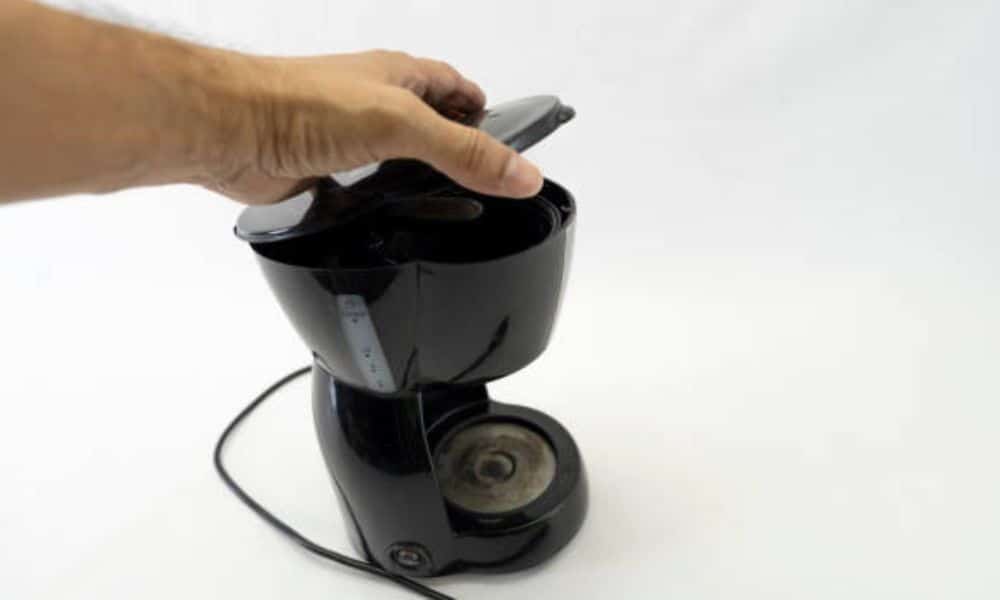
Ever opened your coffee maker and caught a nasty, funky smell? That’s exactly how I found out how to remove mold from a coffee maker—the hard way. I didn’t realize how fast mold could grow in all that leftover heat and moisture. It ruined the taste of my coffee and made me feel uneasy about what I was drinking. In this guide,
I’ll show you the signs, the safest cleaning methods, and how to keep mold from ever coming back. Let’s fix your coffee routine—quick and easy.
Why Coffee Makers Grow Mold So Quickly
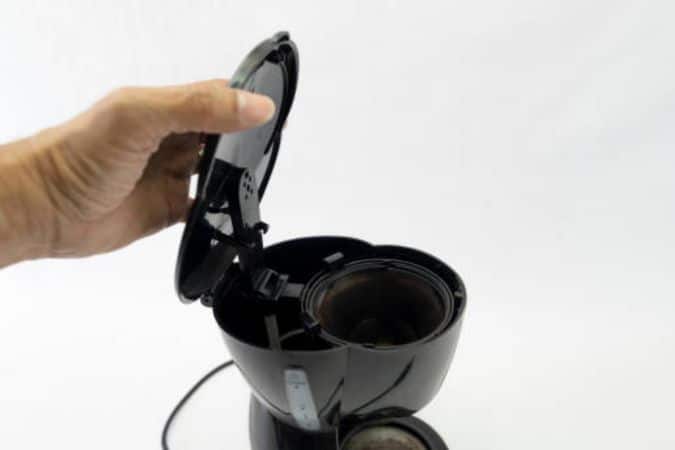
Mould shows up fast when there’s moisture and warmth—and coffee makers have both. Water left in the tank, steam trapped under the lid, or a damp filter can turn your machine into a mold hotspot.
I used to leave mine full of water overnight, thinking nothing of it. One morning, I caught a sour smell and found black spots around the reservoir. That was my wake-up call.
Even simple habits—like closing the lid right after brewing or skipping weekly cleanings—can lead to mold. Keeping things dry and aired out goes a long way in stopping it before it starts.
Signs of Mold Inside a Coffee Maker
If your coffee maker has black spots or slimy gunk around the reservoir or filter, that’s mold. Sometimes it’s hard to see, but it’s there—and it spreads fast. Another giveaway is the smell. If your machine gives off a musty or sour odor, mold is likely hiding inside.
Even the taste of your coffee can change. If your brew suddenly starts tasting off or bitter, mold might be messing with the flavor. These are all signs of mold inside a coffee maker—and reasons to clean it before your next cup.
Safest Methods to Sanitize a Moldy Coffee Maker

Method 1 – White Vinegar + Water (Most Effective)
The easiest way to disinfect your coffee maker is with white vinegar and water. Just fill the reservoir with equal parts vinegar and water, then run a brew cycle like normal. Let it sit for 30 minutes, then run 2–3 clean water cycles to rinse out the smell.
I do this once a month, especially if I’ve been brewing daily. It keeps things fresh and kills any hidden mold.
→ how to disinfect a coffee maker with vinegar is one of the most searched and safest methods—and it works.
Method 2 – Baking Soda or Lemon Juice (Natural Alternatives)
Not a fan of vinegar? No problem. Baking soda is a gentle cleaner that breaks down grime and mold without harsh smells. Mix 1 tablespoon with warm water and run a full cycle. Rinse well.
Lemon juice works great too. It’s acidic enough to kill mold and smells much better. Just mix with water and run a brew. These are perfect if you’re trying to clean your coffee maker naturally without chemicals.
Method 3 – Store-Bought Coffee Machine Cleaners
If the mold is stubborn or your machine hasn’t been cleaned in a while, it might be time for a professional coffee machine cleaner. Brands like Dezcal or Urnex are made for deep cleaning inside parts vinegar can’t reach.
Always follow the label and do a few rinse cycles after. These are great every few months or before heavy use—especially for machines with built-in milk frothers or pods.
How to Clean Coffee Maker Mold Naturally
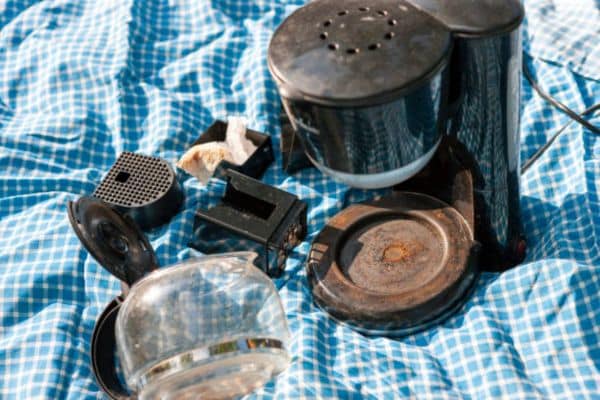
If you want a mold-free coffee maker without harsh chemicals, here’s my simple method. I mix equal parts lemon juice and baking soda into a thick paste and scrub any visible spots using an old toothbrush. Then I flush the whole system with warm water and air-dry it with the lid open.
This is part of my weekly cleaning ritual now. It takes 10 minutes and keeps mold from sneaking back in.
→ It’s the best way I’ve found for anyone wondering how to clean coffee maker mold naturally with things you already have at home. Want a safer brew? Choosing the best non toxic coffee maker helps cut down on mold and avoids harmful plastics. Glass or stainless steel models are easier to clean and healthier to use every day.
Best Way to Remove Mildew from Coffee Machines
Mildew is mold’s cousin, and it usually shows up as white or gray fuzz. It forms on soft parts like rubber gaskets, lids, or filters. It smells damp, like wet socks.
The best tools for cleaning mildew are small pipe cleaners, a soft brush, and warm soapy water. Use a 1:1 mix of vinegar and water to soak parts for 15 minutes, then scrub gently and rinse.
→ This is hands-down the best way to remove mildew from coffee machines without damaging your machine.
How to Prevent Mold Buildup in Coffee Makers
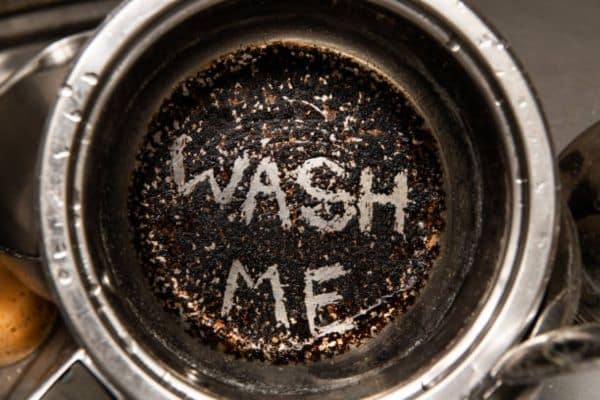
The best way to deal with mold? Don’t let it grow in the first place. A few quick habits can save you the hassle—and your morning coffee.
Daily:
- Empty the water reservoir after each use
- Leave the lid open to let everything dry
- Rinse the filter basket and wipe any visible moisture
Weekly:
- Wash the reservoir and removable parts with warm, soapy water
- Let everything air-dry completely before reassembling
- Do a quick vinegar rinse if you brew often
Monthly:
- Run a full vinegar + water cycle
- Scrub hard-to-reach spots with a brush or pipe cleaner
If you’re not using your machine every day, store it dry and open, or at least remove the reservoir so mold doesn’t grow in trapped moisture.
Following this simple rhythm is how I learned how to prevent mold buildup in coffee makers—and trust me, it’s way easier than scrubbing out mold later.
Final Thoughts
A moldy coffee maker doesn’t just mess with flavor—it can mess with your health. A few simple habits like rinsing, airing it out, and monthly cleanings can keep your brew fresh and your machine running strong.
Start today. Give it a quick 5-minute clean—your future self (and your taste buds) will thank you.
FAQs
Can mold in a coffee maker make you sick?
Yes, it can—especially if you have allergies or asthma. Mold exposure may lead to sinus congestion, headaches, or even an upset stomach after drinking your coffee.
How often should I clean my coffee maker to avoid mold?
Rinse the reservoir daily and do a vinegar clean once a month. If you use it heavily, a quick weekly rinse with warm water helps too.
What if the mold won’t go away even after cleaning?
If scrubbing doesn’t work, it might be time to replace the filter basket, tubing, or even the whole machine. Mold can hide in spots you can’t reach.
